July 15, 2026
Choosing the right water heater for your home is a decision that impacts your daily comfort, monthly utility bills, and long-term peace of mind. For decades, traditional storage tank models were the default option for almost every household, but modern tankless systems have grown incredibly popular due to their efficiency and space-saving designs. To determine which system aligns with your household needs, budget, and infrastructure, it helps to take a close look at how these systems compare side by side.
Understanding Storage Tank Systems
Traditional storage tank water heaters operate by keeping a large volume of water hot and ready at all times, typically ranging from thirty to fifty gallons. Because the unit must continuously maintain this high temperature, it experiences standby heat loss, meaning the system works to reheat the water even when you are asleep or away from work. This constant cycling can put a steady amount of wear and tear on the components over time, eventually creating a need for routine water heater repairs. While the technology is straightforward, the constant internal temperature fluctuations mean that components like the anode rod, heating elements, and thermostat must be monitored closely to ensure the unit operates safely.
Exploring the On-Demand Approach
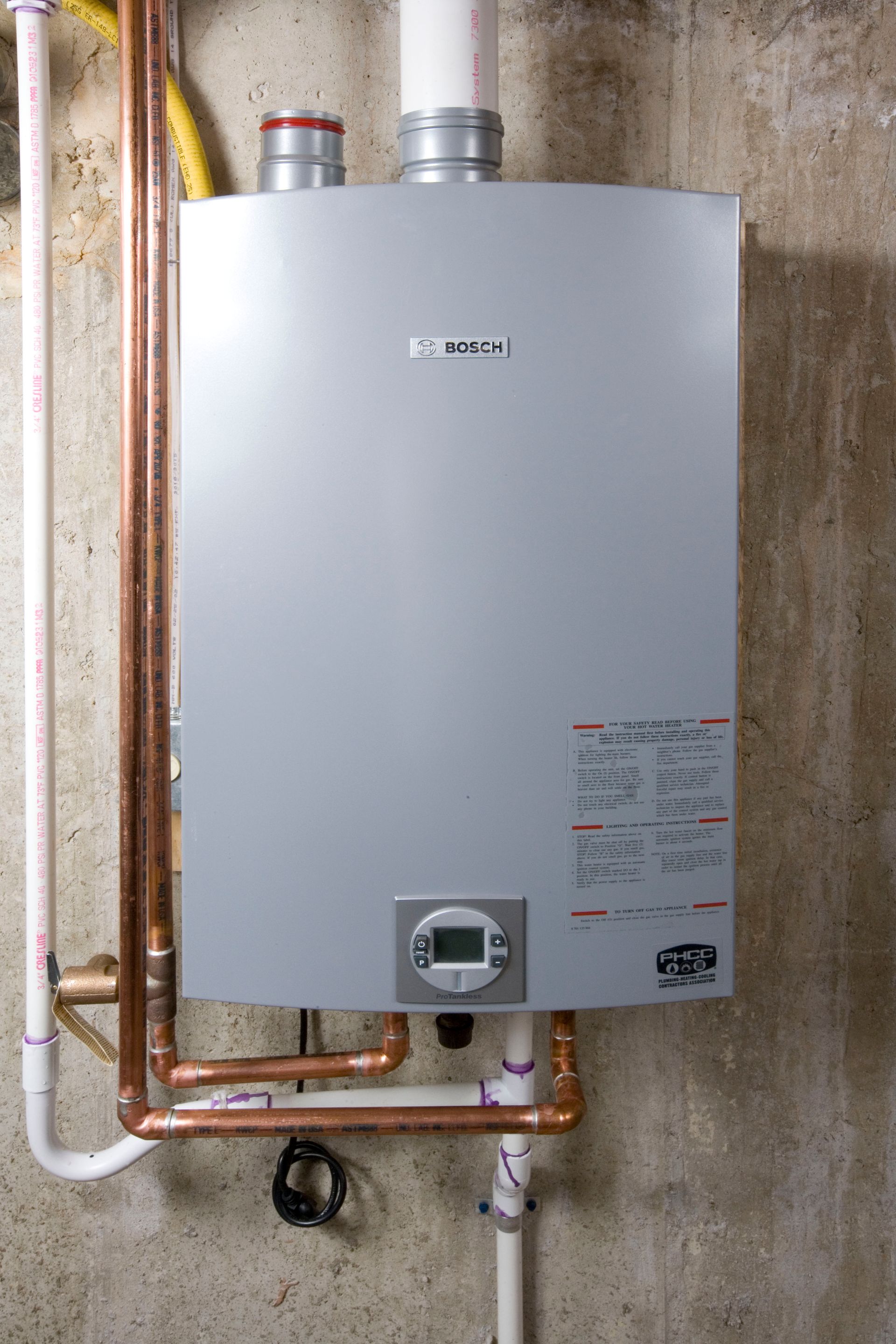
Tankless water heaters take a completely different approach by heating water instantly only when a tap or appliance is turned on. When you turn on the hot water, cold water flows into the unit, where a powerful gas burner or electric element rapidly raises the temperature to your desired setting. Because there is no storage reservoir, you completely eliminate standby energy losses, which can noticeably lower your monthly fuel consumption. However, these systems rely on advanced computerized controls, precise sensors, and high-powered heating elements to achieve this instantaneous warmth. When these intricate internal components experience electrical glitches or sensor failures, you will need specialized water heater repairs to restore proper functionality.
Comparing Lifespan and Long-Term Durability
When investing in a new major appliance, the expected operational lifespan is a primary consideration for most property owners. Conventional tank models generally last between ten and fifteen years before the internal lining succumbs to rust or sediment accumulation. According to This Old House, tankless water heaters last about 20 years, offering a significantly longer service life when properly cared for by a licensed technician. This extended lifespan makes the on-demand option an attractive choice for individuals planning to remain in their homes for a long time. However, achieving this long life expectancy depends entirely on regular upkeep, as neglecting routine flushing can cause internal scaling that leads to premature water heater repairs.
Evaluating Upfront Costs and Installation Needs
The immediate financial investment required for each system is often the deciding factor for budget-conscious homeowners. Storage tank units are relatively inexpensive to purchase and simple to install, making them an affordable option when an old unit fails unexpectedly. On the flip side, tankless systems carry a much higher upfront purchase price, and the installation process can be highly complex. Upgrading to an on-demand system frequently requires retrofitting your gas lines, expanding the ventilation paths, or updating your electrical panel to handle the intense power demands. If these structural adjustments are not executed correctly during the initial setup, you may find yourself dealing with frequent water heater repairs early in the system’s life.
Analyzing Daily Hot Water Delivery Rates
The way your family consumes hot water on a daily basis should heavily influence which technology you choose. A storage tank system excels at delivering a high volume of hot water simultaneously, meaning you can often run a shower and the washing machine at the exact same time without a sudden drop in pressure. The downside is that once the tank is empty, you must wait for the unit to heat a fresh batch of water. Tankless units provide a continuous supply that will never run out, but they have a limited flow rate per minute. If multiple people try to use hot water at once, the system can become overwhelmed, requiring professional adjustments or water heater repairs to calibrate the flow settings.
Factoring in Space Constraints and Aesthetics
The physical footprint of your plumbing equipment matters, especially in smaller homes, townhouses, or properties without a dedicated basement. Conventional tank heaters are bulky, heavy, and require a substantial amount of dedicated square footage in a closet, utility room, or garage. Tankless water heaters are incredibly compact, often resembling a small suitcase that mounts directly onto an interior or exterior wall. This frees up valuable floor space for storage or other household uses. However, because these compact units are mounted on walls and integrated tightly into your home’s piping infrastructure, any shifting or vibration can stress the connections, potentially resulting in a need for targeted water heater repairs.
Addressing Hard Water and Mineral Buildup
Mineral content in your local water supply plays a massive role in the efficiency and health of any water heating appliance. In areas with high levels of calcium and magnesium, storage tanks gradually accumulate a thick layer of sediment at the bottom, which blankets the heating element and reduces efficiency. Tankless systems are also highly sensitive to hard water, as lime scale can quickly coat the compact heat exchanger, restricting water flow and causing the unit to overheat. When scale restricts the delicate channels of an on-demand heater, it triggers system errors that necessitate professional water heater repairs to flush out the deposits and protect the heat exchanger from cracking.
Understanding Maintenance and Operational Upkeep
Neither system is completely maintenance-free, and ignoring routine service will inevitably shorten the lifespan of your equipment. For a tank model, regular maintenance involves testing the pressure relief valve and flushing the tank annually to remove accumulated sediment. For a tankless system, the maintenance routine involves a chemical flush with a descaling solution to keep the heating elements free of mineral crust. Skipping these essential steps accelerates component degradation and leaves you vulnerable to sudden breakdowns. Establishing a relationship with a licensed professional ensures these tasks are handled correctly, saving you from major emergency water heater repairs during the coldest months of the year.
Analyzing Monthly Energy Savings
For many individuals, the primary appeal of tankless technology is the promise of lower monthly utility bills. Because an on-demand heater only consumes fuel when hot water is actively drawn through a faucet, it uses significantly less energy than a system that fires up periodically all day and night. This energy efficiency can translate to noticeable savings over the course of a year, particularly for smaller households with predictable water usage. However, if the system is forced to run continuously due to a stuck valve or a leaking fixture elsewhere in the house, the energy savings disappear, and the excessive strain can lead to mechanical failures that require prompt water heater repairs.
Recognizing Warning Signs of Equipment Trouble
Regardless of the specific model you choose to install, you must remain vigilant and recognize the early warning signs of equipment failure. For storage tanks, common red flags include rusty colored water, popping noises coming from the tank, or moisture pooling around the base of the unit. For tankless systems, you should watch out for fluctuating water temperatures, frequent error codes on the digital display, or a noticeable drop in water pressure. Catching these minor operational anomalies early allows you to schedule standard water heater repairs before the issue escalates into total system failure or causes water damage to your surrounding property.
Choosing between a storage tank and a tankless water heater requires a careful evaluation of your budget, your property’s physical layout, and your family’s daily water consumption habits. Tank systems offer a lower upfront cost and a dependable volume of water for busy households, while tankless models provide exceptional energy efficiency, space savings, and an impressive operational lifespan. When you need routine maintenance, system diagnostics, or dependable water heater repairs, contact Flow King Rooter Plumbing to ensure your home’s hot water system remains safe and reliable for years to come.