September 10, 2026
A functioning plumbing system remains essential for maintaining a safe property environment. When wastewater fails to flow away from a residence, property owners face significant disruptions. The underground pipe connecting a domestic system to the municipal main bears the burden of daily waste removal. Over time, roots and material degradation cause blockages within this infrastructure. Addressing these issues requires professional intervention to restore proper water flow.
Undertaking a sewer lateral repair project involves multiple phases of assessment, excavation, and restoration. Property owners embarking on this journey benefit from understanding each stage. Clear expectations help alleviate concerns and facilitate communication with hired contractors. From the initial camera inspection to final soil grading, every step demands specialized equipment.
Preparing for the Initial Inspection
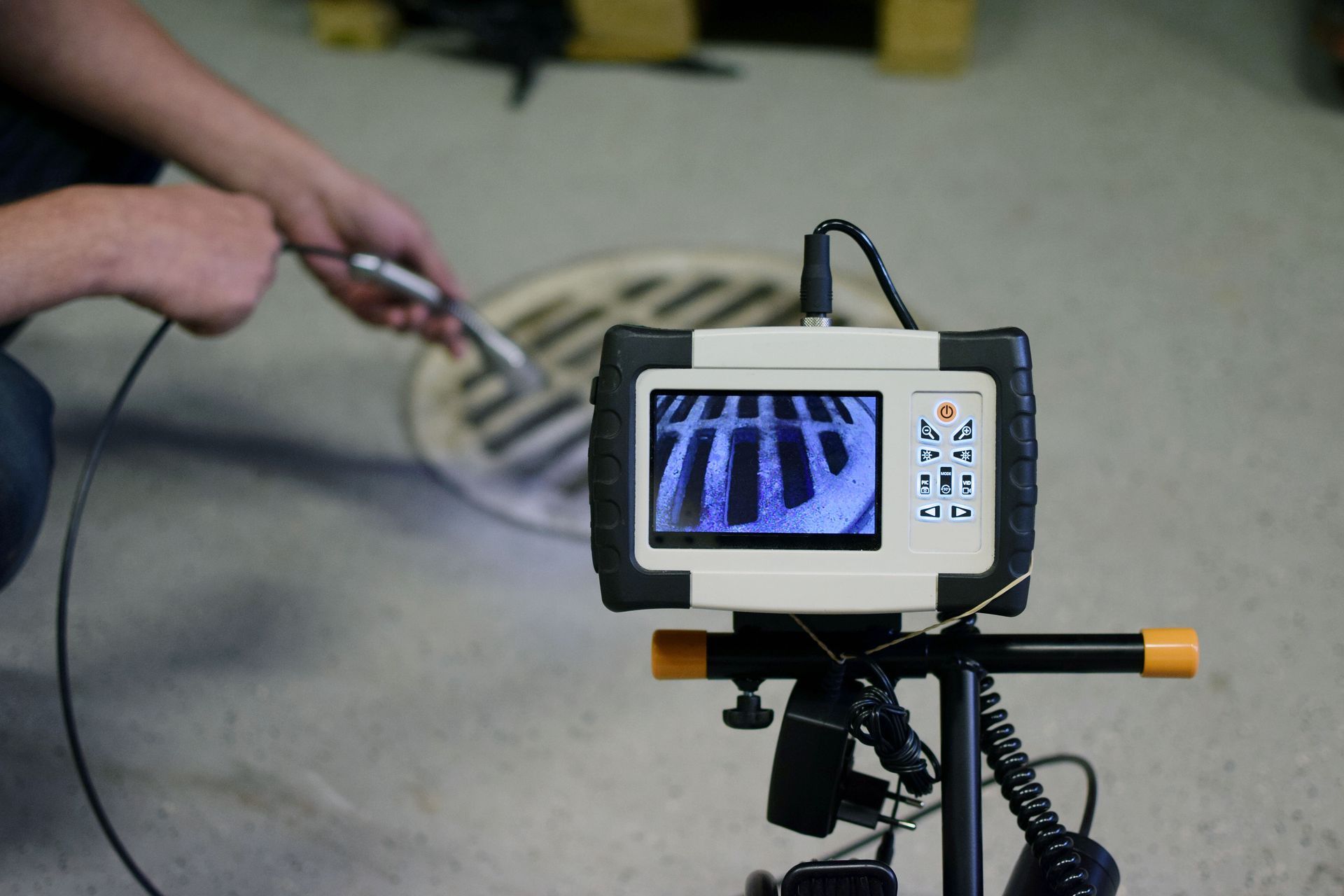
The initial phase of any plumbing resolution begins with an evaluation of the underground pipes. Contractors arrive with diagnostic equipment to assess the damage extent. Instead of digging without direction, technicians utilize high-definition cameras attached to flexible cables. These cameras travel through the pipes, transmitting live video feeds back to a surface monitor. This non-invasive diagnostic technique saves time and prevents unnecessary destruction of the overlying landscape.
Visual evidence allows contractors to pinpoint the exact location of the blockage. Diagnostic footage reveals root infiltration, collapsed pipe walls, or heavy grease accumulation. Identifying the specific problem dictates the subsequent methodology and equipment requirements. Property owners receive an explanation of the findings, along with recommendations for effective resolution. Viewing camera footage gives property owners a clear understanding of the underground pipe damage severity.
Selecting professionals for this assessment remains a vital step. According to Simpro, roughly 129,000 to 132,000 registered plumbing businesses are operating across the United States. Finding qualified contractors requires careful consideration of credentials. Property owners must verify business licenses and commercial insurance coverage before allowing technicians to commence the site evaluation. Verifying these credentials protects owners from liability.
Once the evaluation concludes, contractors develop a plan of action. This plan details the scope of work, anticipated timeline, and necessary municipal permits. Securing permits ensures the upcoming sewer lateral repair complies with local building codes and safety regulations. The permitting process involves submitting blueprints to city officials for approval before digging begins. Securing these approvals prevents legal complications and ensures the project meets sanitation standards.
Understanding the Excavation Process
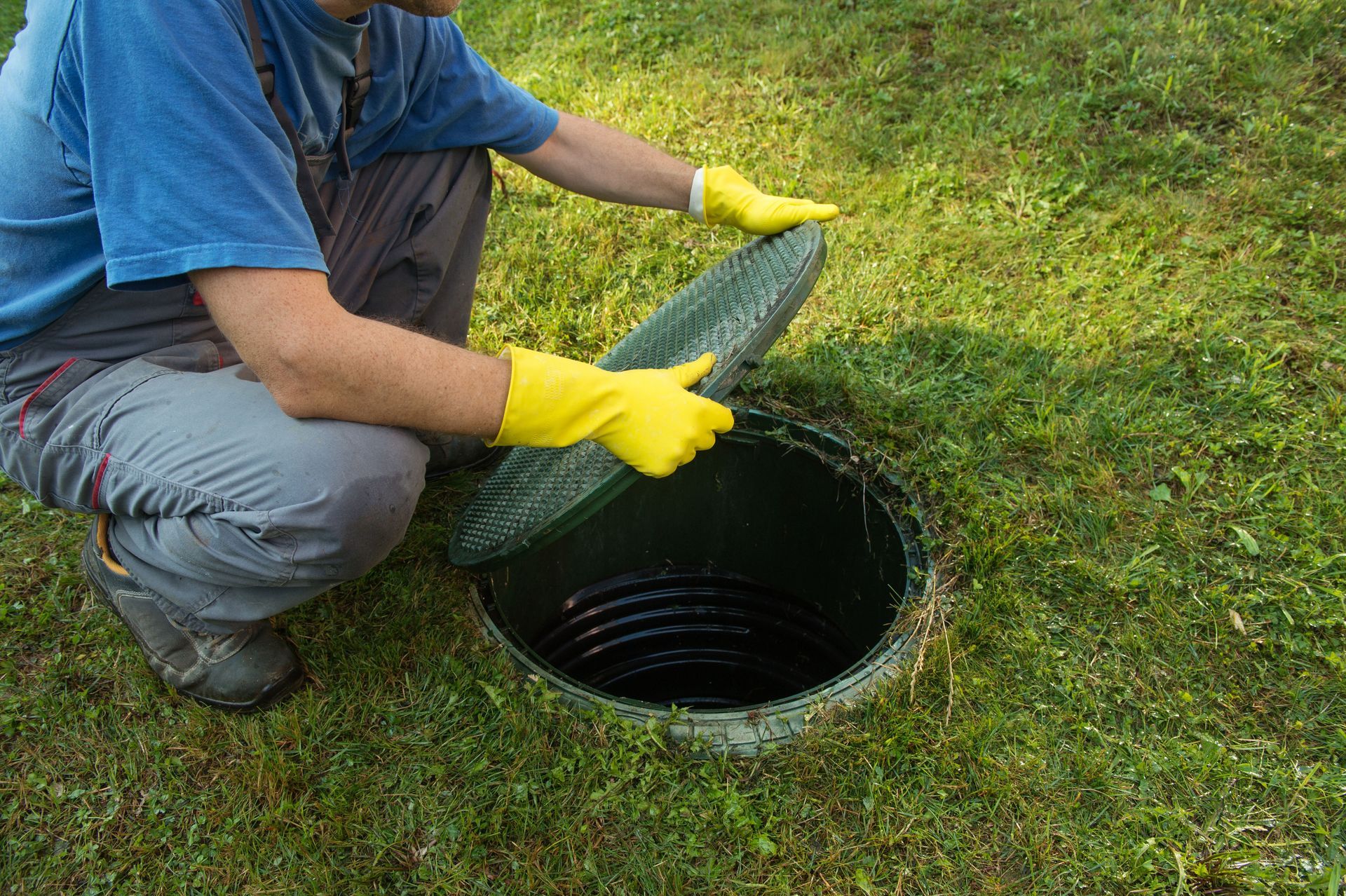
Following permit approval, physical labor commences with the excavation of the affected area. Plumbers must expose the damaged pipe to facilitate complete removal. Contractors utilize machinery such as backhoes and mini-excavators depending on pipe depth. For hard-to-reach areas or locations near delicate landscaping, hand digging becomes necessary to prevent collateral damage. The choice of excavation method depends on the proximity of the trench to existing utility lines.
The excavation site transforms the property into a temporary construction zone. Workers erect safety barriers and warning signs to protect residents from open trenches. Heavy equipment produces noise and vibration, altering the quiet atmosphere of the neighborhood. Property owners must anticipate these temporary inconveniences and adjust daily routines to accommodate the moving machinery. Communicating with neighbors about the upcoming noise prevents disputes during the digging operation.
Soil removal creates large piles of dirt adjacent to the trench. Contractors place protective tarps beneath the excavated soil to shield the underlying grass. The depth of the trench varies depending on local climate and municipal infrastructure designs. Workers shore up the trench walls with reinforced panels to prevent dangerous cave-ins. Proper trench shoring protects the crew members working below the surface and stabilizes the surrounding earth.
In some scenarios, contractors opt for trenchless methods to minimize surface disruption. This alternative technique requires digging entry and exit pits rather than exposing the entire pipe length. Trenchless technology pulls a resin-coated liner through the existing pipe, curing it in place to form a new structural wall. However, severe collapses still necessitate traditional open-trench digging for a complete sewer lateral repair.
Executing the Pipe Replacement
With the damaged section exposed, workers begin the critical task of removing compromised materials. Technicians cut away broken pipe segments, taking care to avoid dropping debris into the active municipal main line. The removal process demands precision to ensure remaining connections stay intact. Workers extract old clay, cast iron, or degraded plastic pipes from the trench. Disposing of old materials requires adherence to local waste management regulations.
After clearing old materials, contractors prepare the trench bed for new installation. Proper pipe slope dictates the success of a gravity-fed wastewater system. Workers level the trench floor and add gravel bedding to support the new pipe and prevent sagging. This foundational preparation ensures wastewater will flow toward the municipal main without pooling. Achieving the correct slope requires precise measurements and adjustments to the gravel bed beneath the pipe.
Technicians install durable polyvinyl chloride or high-density polyethylene pipes to replace the obsolete infrastructure. These modern materials resist root intrusion and withstand shifting soil conditions better than older pipe varieties. Workers connect new pipe segments using chemical solvents or mechanical couplings. These watertight seals prevent future leaks and blockages, securing the long-term integrity of the domestic plumbing system. Plastics allow the pipes to endure minor ground movements.
Before covering the trench, contractors perform rigorous testing to verify the structural soundness of the installation. They run water through the system while inspecting exposed joints for signs of moisture escape. Municipal inspectors visit the site to ensure the sewer lateral repair meets local plumbing codes. Passing this inspection allows the crew to proceed to the final phase. Inspectors check the pipe slope and joint seals.
Restoring the Property Landscape
The final phase involves returning the property to a state of normalcy. Workers begin the backfilling process by covering the new pipe with sand and gravel. This initial layer protects the plastic material from sharp rocks and heavy soil pressure. Contractors push excavated dirt back into the trench in measured layers, tamping each layer down to prevent future ground settling. Proper backfilling prevents crushing the installed plastic pipes.
Compacting the soil requires heavy tamping machines that vibrate dirt into a solid mass. Skipping this step leads to sunken trenches and uneven yard surfaces months down the line. Plumbers spend considerable time ensuring the ground level matches the surrounding landscape. They remove any excess soil from the premises, loading it into dump trucks for off-site disposal. Achieving a level surface requires multiple passes with heavy tamping equipment.
Surface restoration depends on the original state of the property before excavation began. If the trench cut through a driveway or sidewalk, concrete and asphalt contractors pour new paving materials to patch the surface. For grassy areas, workers spread topsoil and scatter grass seed or lay down new sod. Property owners assume responsibility for watering the new vegetation. Restoration efforts aim to erase all visible traces of heavy construction equipment.
The presence of heavy machinery leaves behind flattened grass and minor ruts in the yard. Contractors strive to clean the area, sweeping walkways and removing all construction debris. Completing a sewer lateral repair requires patience from property owners as the landscape takes time to recover. However, the peace of mind gained from a flawless plumbing system outweighs temporary visual blemishes. A restored yard masks profound structural improvements hidden beneath.
A well-executed sewer lateral repair eliminates chronic backups, foul odors, and the threat of indoor flooding. While the yard endures temporary chaos, the underground results provide decades of reliable sanitation. Property owners who recognize the necessity of this work ensure their real estate retains its structural value and environmental safety. Replacing a failing waste line transforms a stressful plumbing nightmare into a permanent structural triumph. The restored wastewater flow grants freedom from plumbing anxiety. When you are ready to tackle your sewer lateral repair, contact our team at Flow King Rooter Plumbing today. We will gladly inspect your underground pipes and restore your home's wastewater system.