April 7, 2026
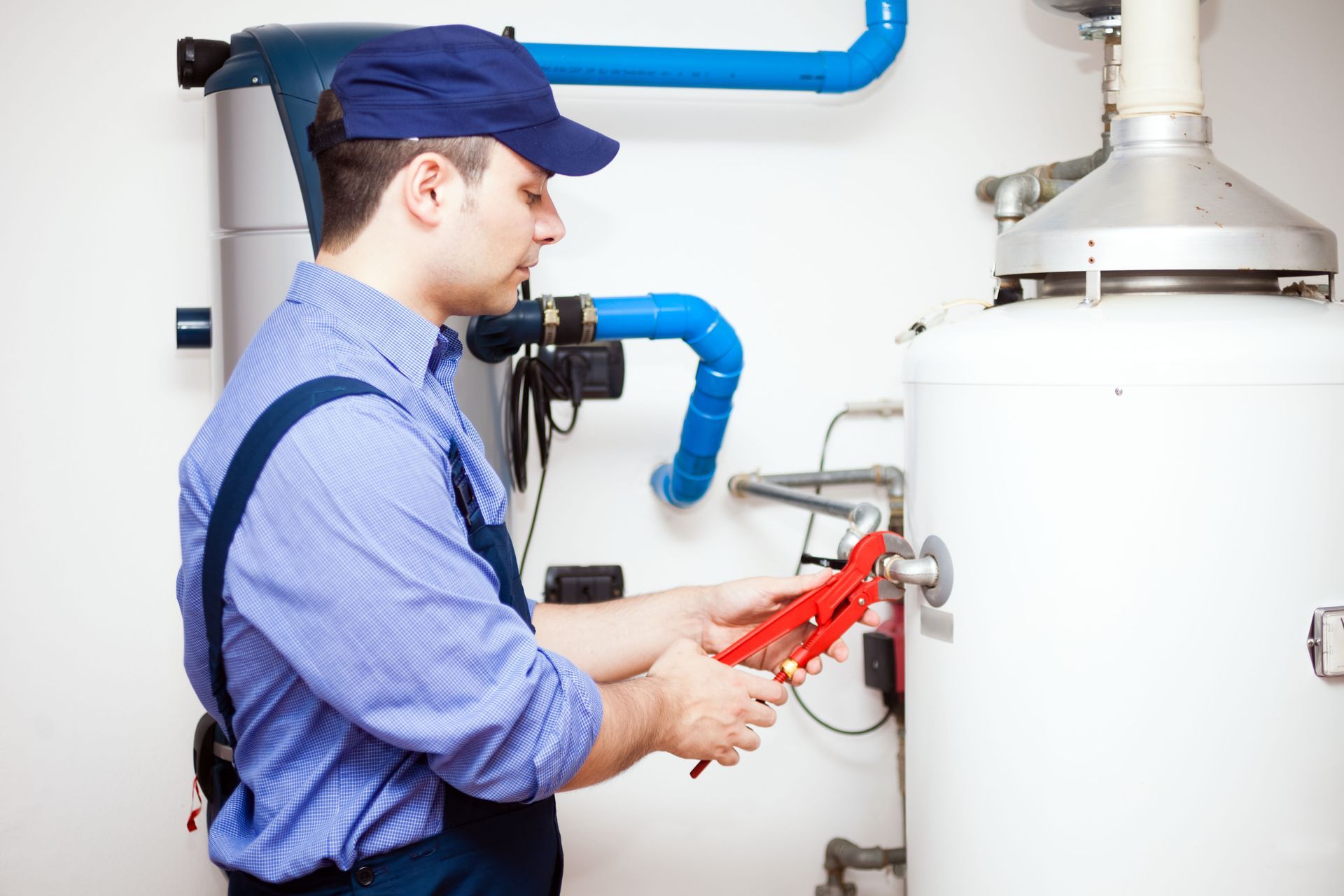
Most homeowners rely heavily on their water heaters for their daily hot water needs and may not notice gradual signs of deterioration until significant issues arise. By identifying potential problems early and addressing them with the help of your local plumbing services, you can avoid unexpected breakdowns and costly repairs. Let's explore a few critical signs indicating that your water heater needs replacement.
1. Age of Your Water Heater
Typical Lifespan of Different Types of Water Heaters
The age of a water heater is often a primary indicator of when it might need replacement. According to This Old House, the average tank water heater will last for 10 to 15 years. Tankless water heaters, on the other hand, have a longer lifespan of up to 20 years due to their advanced technology and design. Regular maintenance, such as annual flushing and inspections by professional plumbing services, can help extend the life of your water heater, whether tank or tankless. However, once a water heater approaches the end of its expected lifespan, even with proper care, it's time to start considering a replacement.
Dangers of Ignoring an Aging Water Heater
Delaying the replacement of an aging water heater can pose various dangers. Older models may not function as efficiently, leading to higher energy bills as they consume more power to heat the same amount of water. There's also a heightened risk of leaks or bursts in older units, potentially causing water damage to your home. Ignoring signs of aging can also lead to decreased water quality, as an aging heater may introduce contaminants or rust into the water supply. Proactively addressing these issues by replacing an old water heater can prevent these risks and ensure your home's water heating system is both safe and efficient.
Assessing Replacement Options as the Unit Ages
As your water heater ages, assessing your replacement options becomes crucial. Newer models come with improved energy efficiency, which can lower your utility bills over time. It might be time to consider upgrading to a tankless water heater if your household's hot water demand justifies the investment. On-demand systems offer energy savings and are particularly beneficial for homes with limited space. However, for some homeowners, traditional tank heaters provide the best solution, especially if installation costs are a significant concern.
Manufacturer Recommendations on Replacement Timelines
Water heater manufacturers often provide specific guidelines regarding the lifespan and maintenance of their products. These recommendations are based on regular usage patterns and assume that the heater is properly maintained. By following manufacturer guidelines, homeowners can optimize performance and extend the product's life. However, even with these guidelines in place, environmental factors and water quality can impact a heater's longevity. It's wise to compare the manufacturer's suggested timelines with practical performance to decide the right time for replacement.
2. Inconsistent Water Temperature
Diagnosing Fluctuating Water Temperatures
Fluctuating water temperatures can be a frustrating issue often overlooked as a minor inconvenience. However, it can signify deeper problems within your water heater system, such as electrical component failures or sediment buildup inside the tank. Diagnosing the root cause of temperature changes involves checking the thermostat for proper settings and ensuring no electrical malfunctions. In many cases, conducting a thorough inspection and addressing smaller issues with local plumbing services can revert the inconsistency. Yet, if these fluctuations persist and are coupled with other symptoms, you might need to consider a full replacement.
Implications of Thermostat Malfunctions
A malfunctioning thermostat can severely impact a water heater's performance, leading to either overly hot or inadequately warm water. Thermostats act as the heater's control center, regulating temperatures to maintain optimal heating. When a thermostat fails, it can cycle the heater erratically, causing unnecessary wear on the unit and inflating energy costs. Addressing thermostat issues might be as simple as replacement, but persistent problems could indicate deeper, systemic issues. It's important to test your thermostat regularly and replace faulty components promptly.
Sediment Build-up Impact on Heating Efficiency
Sediment buildup is a common culprit that diminishes water heating efficiency. Over time, minerals from hard water accumulate at the bottom of the tank, insulating the water from the heat source and requiring more energy to achieve the desired temperature. This results in longer heating times and increased utility bills. Regularly flushing your water heater can manage sediment buildup, but as the system ages, the effectiveness of this maintenance diminishes. If sediment buildup becomes unmanageable, new technology water heaters with advanced sediment-resistant features might be a preferable solution.
Economic Impact of Energy Inefficiency
An inefficient water heater significantly spikes energy consumption and monthly utility expenses. Older models or malfunctioning units require more power to deliver adequate hot water, with the excess energy directly affecting your energy bills. While it might seem economical to continue using an old heater, the accumulated costs suggest a different reality. Upgrading to an energy-efficient model can not only save money on energy but may also qualify for tax credits or utility company rebates. Evaluating current efficiencies and upgrading can provide tangible, financial benefits over time.
3. Noisy Water Heater Operation
Types of Noises Indicating System Problems
Different noises from a water heater can signal various system problems. Popping, rumbling, or banging sounds often suggest sediment buildup, where trapped water expands and creates noise as it heats. A whistling noise might indicate an issue with the pressure valve, which is critical for safety. Consistent hissing could mean that there's an ongoing leak correcting itself through steam evaporation. Identifying the type of noise can guide you in diagnosing issues, whether they require simple maintenance or full unit replacement by local plumbing services.
How Mineral Sediment Causes Noisy Operations
Mineral sediment naturally collects on the tank's bottom as water cycles through the heater. As the heater runs, these sediments can trap air bubbles or create hotspots that lead to popping noises. These disturbances not only create noise but can compromise the heater's efficiency by insulating the water from direct heat. This insulation effect forces the system to work harder and longer, driving up energy consumption. When regular flushing doesn't resolve the noise, the buildup might be too significant, requiring inspection or replacement.
Recognizing Serious Signs of Internal Damage
Noisy water heaters may also indicate internal damage that visual examination can't always detect. Repeated heating of the rod sediments can erode the inner tank lining, eventually leading to leaks or bursts. If you hear unusual sounds combined with water temperature fluctuations or visible rust, these could signify impending failure. Addressing these noises promptly can prevent more severe damage and costly repairs down the line. Professional plumbing services are recommended to assess and address any suspicious noise issues accurately.
Importance of Addressing Noise Issues Swiftly
It cannot be emphasized enough: promptly addressing noise issues can prevent severe damage and costly repairs. Continuous research shows that unattended noises often lead to increased failures in water heating systems. These sounds can wear out internal components prematurely if left unchecked. Regular maintenance and prompt troubleshooting can effectively alleviate noise, extending your heater's lifespan. Rather than tolerating background noise, taking a proactive approach ensures operational safety and longevity.
Professional Assessment and Recommendations
When dealing with a noisy water heater, seeking a professional assessment is a prudent step. Licensed plumbers have the experience and equipment to thoroughly inspect the unit for underlying issues. Based on their inspection, they can provide informed recommendations on whether you should repair minor faults or replace the heater entirely. These evaluations encompass immediate noise solutions and consider energy efficiency, safety, and cost-effectiveness over the long term. Harnessing professional expertise reduces the risk of unnecessary repairs and extends the overall service life of your water heater.
Paying attention to the signs of water heater wear can make a significant difference in your home's comfort, safety, and energy efficiency. Recognizing when your system is struggling allows you to make informed choices about repairs or replacement, preventing unexpected breakdowns and costly damage. To learn more, reach out to Flow King Rooter Plumbing today. If you need a replacement, we can get you started with same-day plumbing services.