April 17, 2026
Water heaters are essential appliances in our homes, providing hot water for bathing, cooking, and cleaning. Proper maintenance is crucial for ensuring these units continue to operate efficiently and have a long service life. Ignoring potential issues can lead to malfunctions or even complete failure, often requiring costly repairs or replacement. Understanding these common problems can help you prevent them and maintain your water heater effectively.
1. Sediment Build-Up in the Tank
Sediment build-up in your water heater's tank is a frequent issue that can affect its performance and efficiency. Sediments are naturally occurring particles found in water that settle at the bottom of the tank over time due to gravity. When left unchecked, this accumulation can create a barrier between the water and the heating element, making the unit work harder to heat the water. This added strain on the water heater can lead to decreased energy efficiency and higher utility bills. It can also reduce the lifespan of your water heater, leading to more frequent repairs and potential early replacement.
Preventing sediment build-up involves routine maintenance, including flushing the tank every six to twelve months. Flushing helps remove accumulated sediments and maintains the water heater’s efficiency. If you're unsure how to perform this maintenance task, consult the user manual or hire a professional for water heater repair assistance. Additionally, using a water softener in areas with hard water can reduce the rate of mineral deposits. Regular maintenance helps extend the life of traditional water heaters, compared to tankless water heaters that can last about 20 years, according to This Old House.
2. Faulty Thermostat Issues
The thermostat in your water heater is a crucial component that regulates the water temperature. A faulty thermostat can cause the water heater to overheat or underheat the water, leading to various issues such as scalding water or lukewarm showers. Understanding how your water heater's thermostat functions can help you diagnose problems and determine when repairs or replacements are necessary. It's typically a straightforward device that can be replaced by a homeowner with basic DIY skills. Assessing thermostat functionality regularly can prevent costly water heater repair down the road.
Symptoms of a malfunctioning thermostat include inconsistent water temperatures and an inability to maintain the set temperature. These issues can stem from wiring problems, debris, or a defective thermostat. Sometimes, resetting the thermostat or replacing the batteries can resolve the issue. However, if these simple fixes do not work, further investigation is necessary. Testing the thermostat with a multimeter can help determine if it is operating correctly.
3. Malfunctioning Heating Elements
Heating elements are the components responsible for warming the water within the tank of electric water heaters. Over time, these elements can corrode, burn out, or build up mineral deposits, reducing their efficiency and effectiveness. Different types of heating elements are used in water heaters, including screw-in, bolt-in, or clamp-in styles. Each type has specific installation and maintenance requirements that should be carefully followed. Recognizing the symptoms of a malfunctioning heating element can save you from extended periods without hot water.
Common issues with heating elements include a lack of hot water, inconsistent water temperatures, and high energy usage. Malfunctioning elements may lead to an increase in energy consumption as the heater struggles to maintain normal water temperatures. If left unaddressed, these problems can decrease the water heater's lifespan and lead to more extensive and costly water heater repair. Performing periodical checks and maintenance can prevent severe damage to the heating elements. Checking for signs such as corrosion or disconnection can alert you to potential issues early on.
4. Leaks in the Water Heater
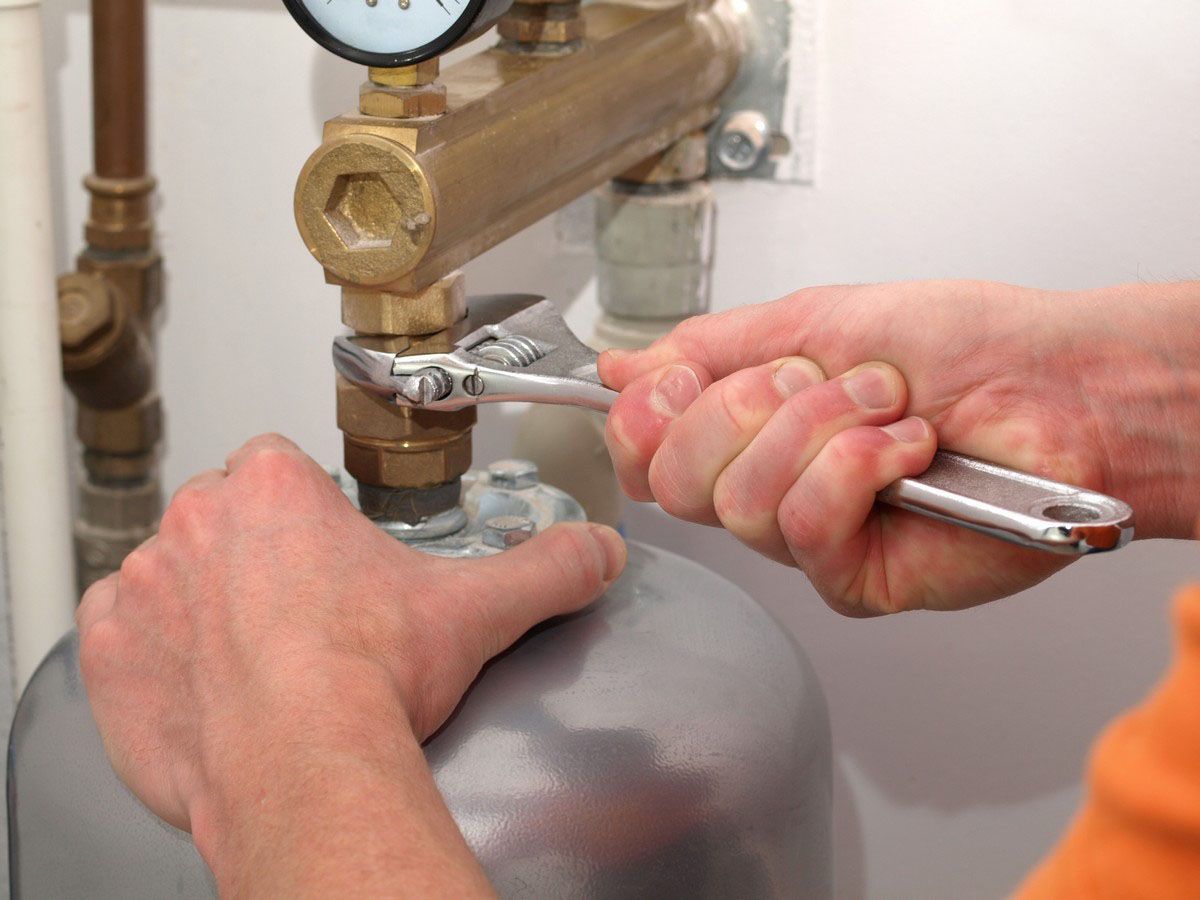
Leaks in your water heater can lead to significant water damage and efficiency issues, necessitating immediate attention. Common sources of leaks include the pressure relief valve, drain valve, or connection joints. Identifying these leaks early can prevent potential damage to your floors and surrounding areas. Regular visual inspections and monitoring for any signs of moisture can help detect leaks promptly. Leaks not only waste water but also drive up energy bills as the unit attempts to maintain consistent temperatures.
Distinguishing between external and internal leaks is essential for determining the appropriate repair strategy. External leaks are usually visible on the outside of the tank or from the plumbing connections, while internal leaks might manifest through reduced water pressure or water discoloration. Identifying and addressing external leaks is generally more straightforward than fixing internal issues. Internal leaks often suggest more severe problems, potentially requiring full water heater repair or replacement. Employing professional help to diagnose and repair internal leaks can prevent further complications.
5. Pilot Light or Ignition Issues
The pilot light plays a critical role in gas water heaters, as it ignites the gas burner responsible for heating the water. Issues with the pilot light can prevent the burner from igniting, resulting in no hot water. Understanding the function of the pilot light and potential problems that can arise is vital for effective troubleshooting. Ignition issues can be caused by a variety of factors, including thermocouple failure, gas supply problems, or dirt buildup. Identifying the root cause of pilot light malfunctions is essential for ensuring your water heater operates smoothly.
Common causes of pilot light problems include drafts, dirt in the pilot tube, or a faulty thermocouple. Drafts can blow out the pilot light, while dirt in the pilot tube can obstruct the gas flow necessary for the light to remain lit. A faulty thermocouple may fail to detect the pilot light's heat, causing the gas valve to shut off. Regularly cleaning the pilot tube and ensuring proper ventilation can help minimize issues related to drafts and dirt buildup. If the pilot light continues to malfunction, further investigation or professional water heater repair may be needed.
6. Pressure Relief Valve Problems
The pressure relief valve is a safety feature that prevents excessive pressure buildup in your water heater, potentially averting catastrophic failure. This valve releases pressure by discharging water when it reaches too high a level, thereby preventing explosions or damage to the tank. Understanding the function of the pressure relief valve and recognizing potential problems can help maintain the safety and efficiency of your water heater. Regular maintenance checks can prevent valve issues from escalating into more significant problems. Monitoring the valve during routine inspections ensures it operates as intended.
Signs of a faulty pressure relief valve include leaks, strange noises, or the valve releasing water excessively. These signs indicate potential problems that can compromise your water heater's safety. It's essential to address these issues promptly to prevent damage to the tank and the surrounding area. Testing the valve's functionality is easy for homeowners to do, providing peace of mind about the safety of their water heater. If the valve appears faulty, it may need cleaning or replacement. Professional water heater repair ensures your system remains safe and efficient.
Understanding the common reasons why your water heater requires water heater repair can help you maintain it effectively and prolong its lifespan. Whether dealing with sediment build-up, faulty thermostats, malfunctioning heating elements, leaks, ignition issues, or pressure relief valve problems, regular maintenance and swift action can prevent minor problems from becoming major headaches. If uncertain about handling repairs, seeking professional assistance can ensure your water heater continues to operate safely and efficiently.
For expert water heater repair, trust Flow King Rooter Plumbing to keep your system running efficiently. Contact us today for fast, reliable service and peace of mind.