June 16, 2026
Upgrading a residential or commercial facility requires analyzing how your vital utility appliances impact your monthly overhead expenses, daily energy consumption, and structural safety. Facility managers and homeowners frequently check their plumbing networks to ensure reliable access to clean, on-demand hot water. Selecting a modern, high-efficiency plumbing system protects your building from sudden leaks while keeping your baseline utility costs highly manageable.
When your water delivery infrastructure is correctly calibrated and maintained, your property gains exceptional operational efficiency. This article examines the latest technology and market shifts shaping the plumbing field, helping you determine when to schedule a comprehensive system appraisal or invest in a timely water heater repair.
Innovating Technical Systems and Smart Connections
The integration of digital tracking systems has transformed how modern households manage their daily hot water production. Advanced smart water heaters feature built-in Wi-Fi connectivity, allowing users to alter temperature baselines, program operational schedules, and monitor daily power usage directly from their mobile devices.
Unlike older, passive models that keep water hot constantly throughout the night, automated systems adapt to your family's real-time usage habits. This targeted heating method eliminates unnecessary energy consumption during working hours when the building is empty, providing immediate relief on your monthly power bills.
Elevating Energy Retention Baselines
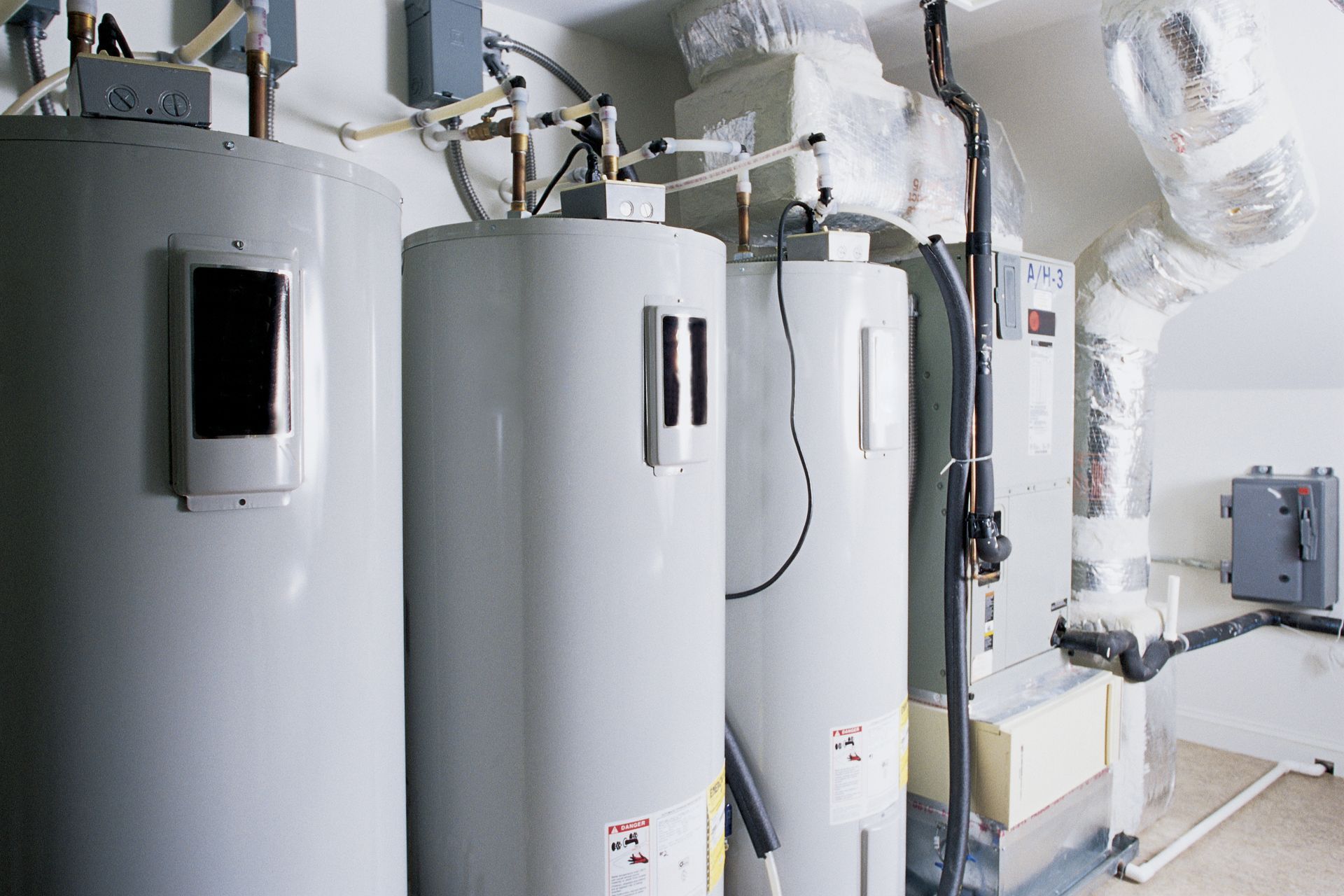
Plumbing manufacturers are actively re-engineering modern tank systems to maximize heat retention and lower standby energy losses. Utilizing dense, foam-in-place insulation wraps keeps stored water hot for extended periods without requiring constant burner activation.
The widespread adoption of specialized heat pump water heaters allows systems to pull ambient warmth from the surrounding indoor air to heat your water supply. These technical upgrades cut down on the raw electricity needed to keep your facility functional, allowing you to prioritize sustainability without sacrificing morning comfort.
Managing Component Wear With Advanced Materials
The internal elements of a standard water tank face constant exposure to high heat, corrosive water chemicals, and heavy mineral scaling. Modern production lines utilize heavy-duty titanium alloys and specialized ceramic coatings to shield immersion elements from early oxidation.
Preventing these corrosive crusts from forming ensures that heat transfers cleanly into the water supply, stopping your system from overheating. When older systems begin losing their heating efficiency due to heavy mineral accumulation, arranging for a targeted water heater repair can restore your system's original speed and performance.
Utilizing Remote Diagnostics and Monitoring
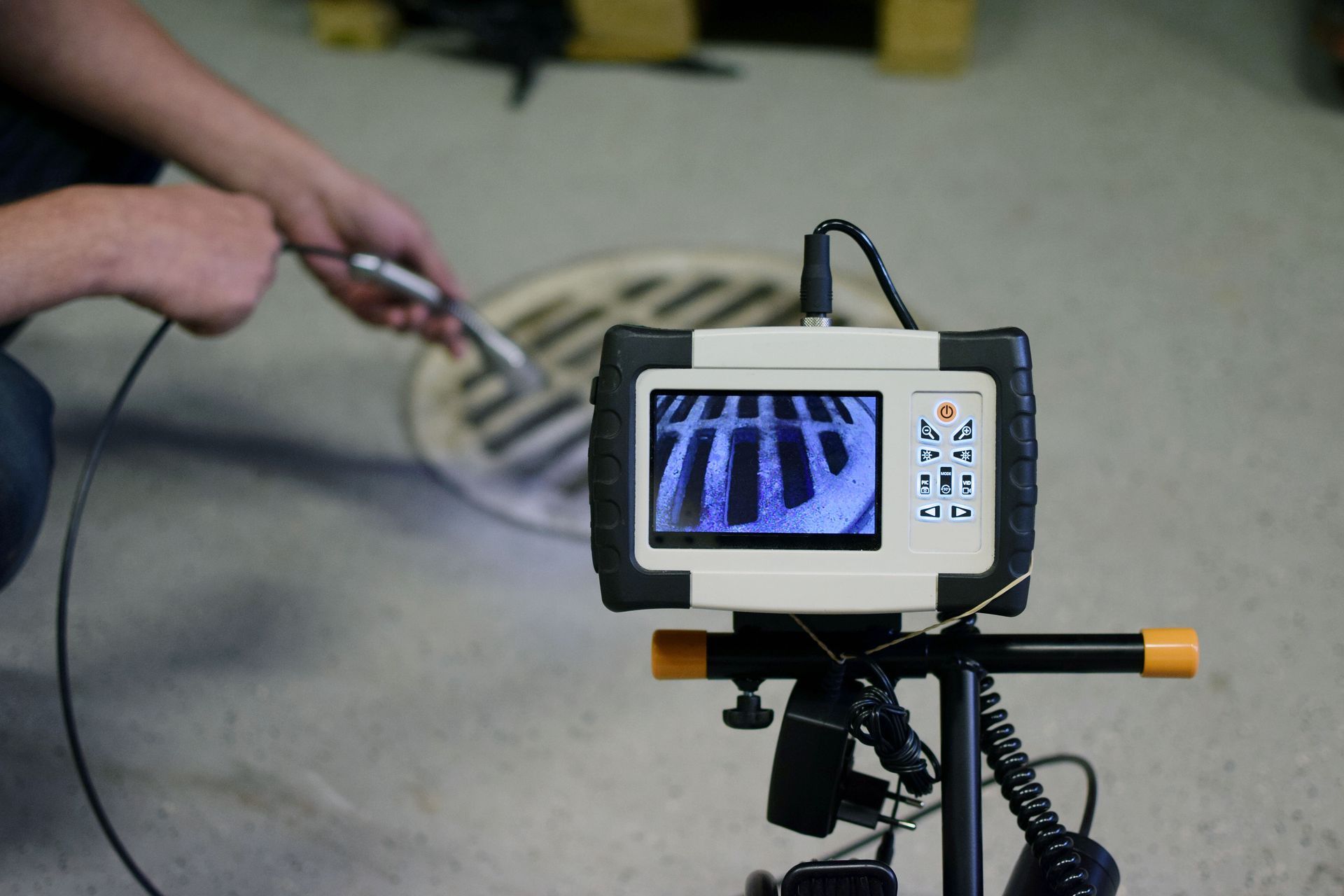
The addition of Internet of Things sensors into modern utility closets allows property owners to track their system's performance metrics in real time. Automated monitoring networks track internal pressure shifts, heating speeds, and baseline tank temperatures to spot early signs of mechanical wear.
Receiving immediate alerts on your personal phone about a small valve drip allows you to call for a water heater repair before a minor leak turns into a major indoor flood, protecting your finished basement walls from severe water damage.
Examining Regulatory and Economic Factors
Evolving environmental regulations and municipal energy codes are pushing the entire plumbing market toward cleaner, low-emission technologies. These updated global parameters force manufacturers to abandon short-lived, energy-wasting designs in favor of advanced condensing and hybrid technologies.
The ongoing push for cleaner utility infrastructure continues to accelerate commercial production lines worldwide. According to supply tracking data from Research and Markets, the international water heater marketplace is projected to expand from $67.29 billion in 2025 to $72 billion in 2026, driven by a steady compound annual growth rate of 7%. This large commercial expansion shows how strict regulatory standards motivate companies to invest heavily in robust, eco-friendly consumer technology.
Transitioning to High-Performance Tankless Systems
A major trend among modern property owners is the widespread transition toward compact, on-demand tankless heating systems. These sleek, wall-mounted units completely eliminate the large storage tank, routing cold water through a powerful copper heat exchanger only when a faucet is opened.
Bypassing the need to store many gallons of standing hot water saves physical floor space and completely removes the threat of a catastrophic tank burst. If a tankless unit experiences an electrical glitch or sensor failure, arranging for a prompt water heater repair keeps your on-demand system running flawlessly.
Overcoming Structural and Technical Challenges
Integrating an advanced, modern heating system into an older residential or commercial property can reveal significant layout and infrastructure challenges. High-capacity tankless models often require upgrading your building's existing gas supply lines or updating your main electrical breaker panel to support larger power loads.
Plumbing technicians work diligently to design modular retrofit kits that bridge the gap between old pipes and new digital appliances, helping property owners modernize their utility closets without replacing their entire underlying pipe network.
Scheduling Preventive Maintenance Appraisals
Sustaining a reliable source of hot water over several decades requires a proactive approach to system monitoring and plumbing upkeep. Arranging for a professional system check allows technicians to test the tank's sacrificial anode rod, clear out sediment layers from the bottom of the basin, and calibrate the pressure relief safety valves. Cleared of calcified scaling, the heating elements run smoothly, which substantially lowers the long-term necessity for an emergency water heater repair.
Diagnosing Thermostat and Pilot Failures
When a water heating system stops delivering warm water to your bathrooms and kitchens, the underlying breakdown often traces back to a malfunctioning control module. Faulty thermocouples, cracked electric ignition elements, and uncalibrated thermostats can prevent your burners from firing safely.
Enlisting an expert plumbing team to diagnose these sensitive electrical issues ensures that broken components are replaced safely using manufacturer-approved parts, eliminating the dangerous fire risks associated with unverified DIY wiring fixes.
Repairing External Valve Leaks
Constant internal pressure shifts and thermal expansion cycles can slowly loosen the structural brass fittings and drain valves around your storage tank. Small, dripping water spots beneath your unit indicate that a sealing gasket has degraded or a connection has cracked. Addressing these visible plumbing drips early by scheduling a targeted water heater repair keeps small moisture problems from ruining your utility room drywall or creating hidden pockets of toxic black mold.
Expanding Infrastructure Care and Lifespan Extension
Over multiple seasons of constant daily operation, hard water minerals naturally precipitate out of your water supply and settle into a dense layer at the base of your storage tank. This mineral crust creates a thick thermal barrier between the gas burner grid and the water baseline, forcing your system to run longer and hotter to achieve desired utility temperatures.
Pumping out these calcified deposits through a professional system flush removes the internal barrier, restores silent operation, and eliminates the structural tank overheating that frequently causes inner glass linings to crack prematurely.
Assessing Emergency Safety Refinement Tasks
The safe deployment of pressurized utility vessels within a household requires keeping standard safety relief mechanisms completely clear of blockages. Technicians must check the emergency temperature and pressure valve regularly to verify that internal spring mechanisms open smoothly under high stress loads.
Investing in a high-quality water heating system is an excellent way for property owners to secure their daily comfort, lower monthly utility overhead, and protect their physical building assets. Relying on professional plumbing maintenance ensures your complex gas lines, electrical heating elements, and automated monitoring sensors are correctly calibrated to handle constant daily use. Setting up a timely system inspection routine guards against premature tank failures, protects your household's indoor air purity, and keeps your hot water delivery flowing safely.
When your property requires experienced assistance to evaluate system performance or address plumbing concerns, contact Flow King Rooter Plumbing to evaluate your current system configurations, check your water pressure lines, and manage your complete utility upgrade. Selecting professional plumbing solutions stabilizes your building's core infrastructure, providing your family with a clean, efficient, and perfectly level utility baseline that functions flawlessly through every season.