July 22, 2026
Slow drains are easy to dismiss. However, a minor slowdown often signals that grease, soap residue, hair, food particles, mineral deposits, or other debris is beginning to collect inside the plumbing system. When this buildup is ignored, it can restrict water flow, create unpleasant odors, and increase the likelihood of a complete blockage.
Routine drain cleaning gives homeowners a practical way to address these developing problems before they turn into disruptive plumbing emergencies. By removing buildup early, a plumber can help protect pipes, improve drainage, and reduce the risk of backups or water damage. Preventive care also makes it easier to identify underlying issues that may not be visible from the surface.
Improving Water Flow Throughout the Home
One of the first signs of a developing plumbing problem is water that drains more slowly than usual. A sink may take several extra seconds to empty, or water may pool around your feet while you shower. These changes can seem minor, but they often indicate that the inside of the pipe is narrowing because debris is accumulating along the walls.
Professional drain cleaning removes materials that limit the space available for water to travel. Once the obstruction is cleared, water can move more freely through the plumbing system. Faster drainage helps sinks, tubs, showers, and floor drains function more efficiently.
Improved water flow can also reduce pressure on connected plumbing components. When water struggles to pass through a restricted pipe, it may remain in fixtures longer or push against weak areas in the system. Restoring proper flow helps the entire drainage network work as intended and prevents a small restriction from becoming a complete clog.
Preventing Complete Drain Blockages
A partial clog can quickly develop into a full blockage when additional debris becomes trapped. Grease may catch food particles in a kitchen drain, while hair and soap residue can form a dense mass in a bathroom pipe. Once the opening closes completely, wastewater has nowhere to go.
Preventive drain cleaning targets these partial obstructions before they stop water flow. Plumbers can use appropriate tools to loosen and remove buildup without relying on repeated applications of harsh chemical products.
Avoiding a complete blockage is especially important in frequently used areas. A clogged kitchen sink can interfere with meal preparation and cleanup, while a blocked shower or toilet can make part of the home unusable. Regular service reduces the chance that an inconvenient slowdown will become an urgent problem.
Reducing the Risk of Plumbing Backups
Backups occur when wastewater cannot move through a drain line and begins to return through a fixture. Depending on the location of the obstruction, dirty water may rise into a sink, bathtub, shower, or floor drain. This creates an unsanitary situation and may damage flooring, cabinets, walls, and personal belongings.
Routine drain cleaning helps reduce backup risks by keeping waste and water moving in the correct direction. It can be particularly useful when several fixtures show symptoms at the same time, such as slow drainage, bubbling noises, or water appearing in an unexpected drain. These signs may point to a larger obstruction deeper in the system.
According to Modernize, preventative drain cleaning every one to two years can help you avoid costly emergency services. The appropriate schedule may vary based on the age of the plumbing, household size, pipe condition, and previous clog history, but regular attention can make serious backups less likely.
Protecting Pipes From Avoidable Damage
Clogs do more than interfere with drainage. They may also contribute to pipe damage when pressure builds behind an obstruction or standing water remains inside the plumbing for extended periods. Older pipes, corroded connections, and weakened seals may be especially vulnerable when the system is under added strain.
Professional drain cleaning can clear buildup using methods selected for the pipe material and condition. A plumber may recommend mechanical equipment, water-based cleaning, or another technique after evaluating the system. Using the correct approach helps remove debris while limiting the risk of damage caused by improper tools or excessive force.
Regular maintenance can also reduce dependence on chemical drain cleaners. Some products generate heat or contain ingredients that may harm certain pipes when used repeatedly. Although a store-bought solution may seem convenient, it may not fully remove the obstruction and can leave homeowners dealing with the same problem again.
Identifying Hidden Plumbing Concerns
A slow or recurring drain is not always caused by ordinary household buildup. Tree roots may enter underground lines, damaged pipes may collect debris, or sections of plumbing may shift and create areas where waste becomes trapped. In other cases, an object may be lodged farther inside the drainage system.
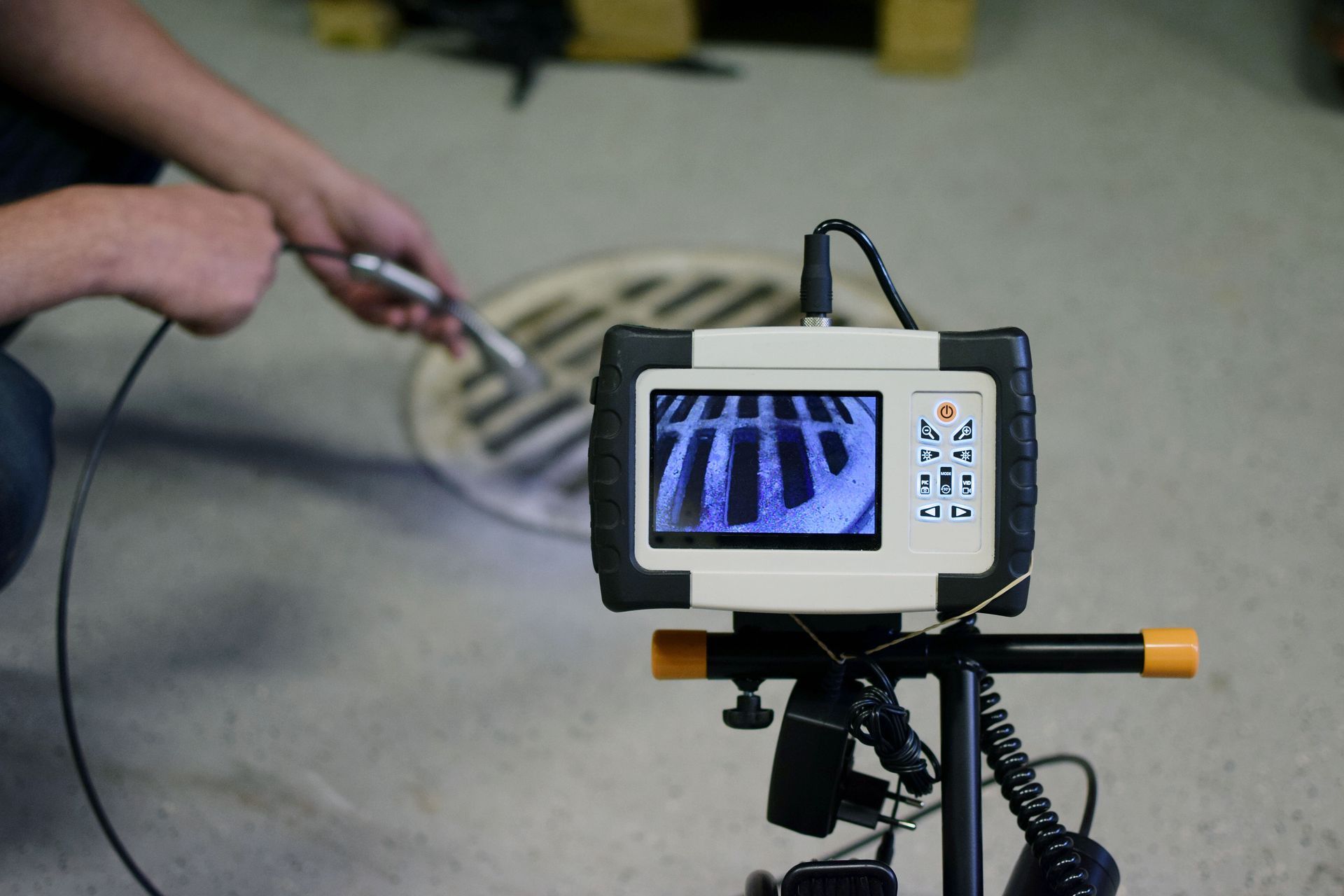
During drain cleaning, a plumber can evaluate symptoms and determine whether additional inspection is needed. Video camera equipment may be used when repeated clogs, unusual noises, or multiple affected fixtures suggest a deeper concern. This allows the plumber to view the inside of the line and locate cracks, corrosion, root intrusion, or other defects.
Early identification gives homeowners more time to plan appropriate repairs. A small damaged section may be easier to address before it collapses or causes wastewater to escape. Preventive service, therefore, supports more than clean pipes; it can provide useful information about the overall condition of the plumbing system.
Controlling Odors and Unsanitary Buildup
Unpleasant drain odors often develop when organic material becomes trapped inside pipes. Food scraps, grease, soap residue, hair, and other substances can break down over time and produce noticeable smells. Standing water caused by a partial clog may make the odor stronger and create conditions where bacteria can multiply.
Drain cleaning removes much of the material responsible for these smells. It may also clear areas where residue has coated the pipe walls and continued collecting new debris. Once the line is cleaned and water flows properly, homeowners may notice that kitchens, bathrooms, laundry rooms, and basements smell fresher.
Persistent odors should not be covered with fragrance and ignored. They can indicate buildup, a dry trap, a venting issue, or another plumbing concern that requires attention. A plumber can determine whether cleaning is sufficient or whether the odor is connected to a damaged seal, sewer gas problem, or hidden leak.
Supporting Long-Term Plumbing Performance
Plumbing systems experience daily wear as water, waste, detergents, grease, and other materials pass through them. Homeowners can reduce unnecessary strain by keeping inappropriate items out of drains, using strainers where helpful, and scheduling maintenance before symptoms become severe. These habits support more consistent performance throughout the home.
Routine drain cleaning is most effective when it is part of a broader preventive plumbing plan. Homeowners should pay attention to slow drainage, recurring clogs, gurgling sounds, unpleasant odors, and changes in toilet performance. Addressing these warning signs promptly can prevent problems from spreading to other fixtures or affecting a larger section of the system.
Preventive maintenance also offers greater control over timing and cost. A scheduled service appointment is generally easier to manage than an unexpected backup during a busy evening, holiday, or weekend. By taking action early, homeowners can protect their property, maintain sanitary conditions, and avoid unnecessary disruption.
Clean, open drain lines help the plumbing system handle everyday demands with fewer complications. Consistent care can extend the useful life of pipes and fixtures while giving homeowners greater confidence that wastewater will leave the property properly. Call Flow King Rooter Plumbing today to schedule your plumbing or drain service.